May 12, 2026
Choosing the right roofing material is one of the most important decisions we make as homeowners. It directly impacts durability, energy efficiency, curb appeal, and long-term maintenance costs. With so many options available, understanding how each material performs helps us make a confident, informed investment. In this guide, we compare the most popular roofing materials so we can determine which one best fits our home and budget.
1. Evaluate Asphalt Shingles for Affordability and Versatility
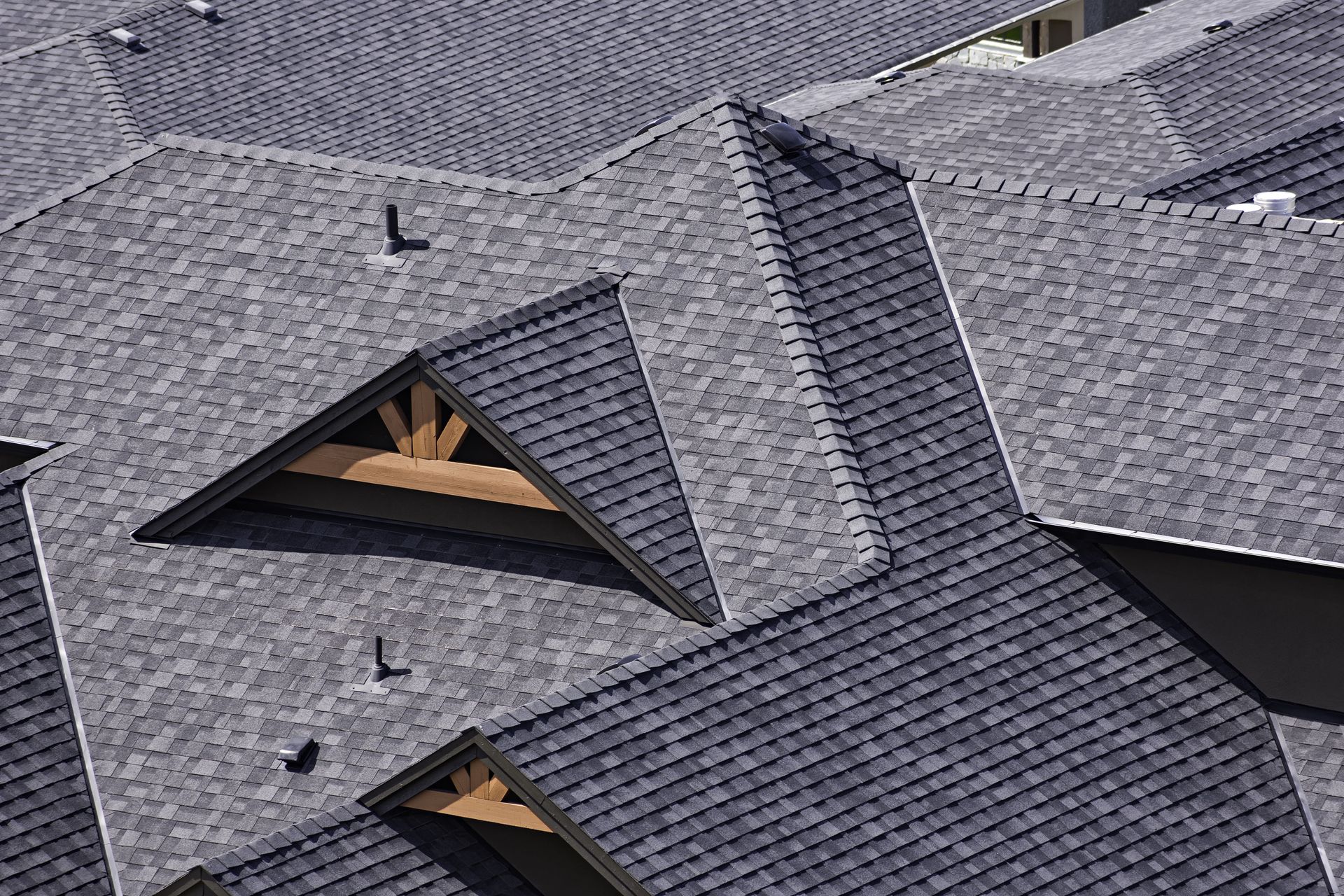
Asphalt shingles remain one of the most widely used materials because they offer a practical balance of cost, performance, and design flexibility. We often recommend them when budget is a key factor, and homeowners want reliable protection without a high upfront investment. A skilled roofer can install asphalt shingles efficiently, helping reduce labor costs while maintaining quality results. They also come in a wide range of colors and textures, making it easier to match different architectural styles.
Durability is reasonable, with most asphalt shingle roofs lasting between 20 and 30 years, depending on climate and maintenance. However, they can be more vulnerable to wind, hail, and temperature fluctuations compared to other materials. That means repairs and upkeep may become more frequent over time. Working with an experienced roofer ensures proper installation, which plays a major role in extending the lifespan of the roof.
Another key consideration is long-term value. While asphalt shingles are affordable upfront, replacement cycles happen more often than with premium materials. This can increase lifetime costs if we plan to stay in the home for decades. Still, for many homeowners, the accessibility and performance make asphalt shingles a dependable choice.
From an industry perspective, trends are shifting. New constructions are trending from asphalt shingles to metal roofing, according to This Old House. Even so, asphalt continues to serve as a strong entry-level option for residential roofing projects.
2. Compare Metal Roofing for Longevity and Performance
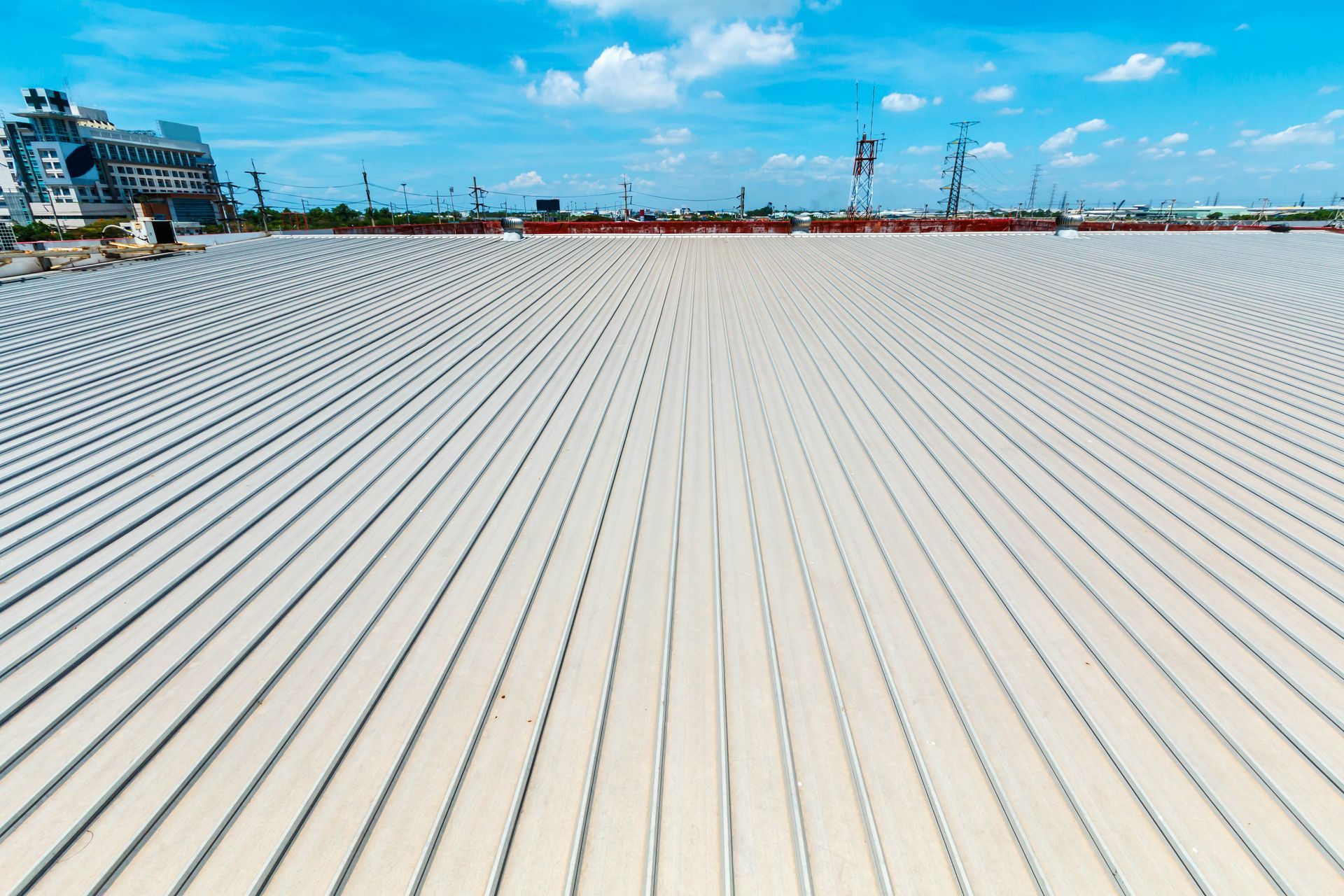
Metal roofing has gained significant traction due to its durability and long-term value. When we prioritize longevity, this material stands out, often lasting 40 to 70 years with minimal maintenance. A qualified roofer can install standing seam systems or metal panels that resist cracking, shrinking, and erosion. This makes metal a reliable solution for homes exposed to harsh weather conditions.
One of the biggest advantages is weather resistance. Metal roofs can handle high winds, heavy snow, and extreme temperature swings without compromising structural integrity. They are also non-combustible, which adds an extra layer of safety. For homeowners looking for peace of mind, metal roofing delivers consistent performance over time.
Energy efficiency is another major benefit. Metal reflects solar heat, helping reduce cooling costs during warmer months. With proper insulation and coatings, we can significantly improve overall energy performance. A knowledgeable roofer will ensure the system is installed to maximize these efficiency gains.
Although the upfront cost is higher, the long-term savings often justify the investment. Fewer repairs, lower energy bills, and extended lifespan all contribute to better overall value. For homeowners planning to stay long-term, metal roofing is one of the smartest upgrades available.
3. Consider Clay and Concrete Tiles for Durability and Style
Clay and concrete tiles offer a timeless appearance combined with exceptional durability. These materials are commonly used in Mediterranean, Spanish, and upscale architectural designs. We often recommend them when aesthetics and longevity are top priorities. Specialized roofers are essential for proper installation, as these materials require precision and structural support.
These tiles are built to last, often exceeding 50 years and sometimes reaching a century with proper care. Their density makes them highly resistant to fire, rot, and insect damage. They also perform well in hot climates due to their natural insulating properties. This helps regulate indoor temperatures and improves energy efficiency.
However, weight is a critical factor. Clay and concrete tiles are significantly heavier than other materials, which may require structural reinforcement. This can increase installation costs and project timelines. Working with experienced roofers ensures the roof structure is properly evaluated before installation begins.
Despite the higher cost, these materials deliver long-term value through durability and minimal maintenance. Their distinctive look also enhances curb appeal and property value. For homeowners seeking a premium roofing solution, clay and concrete tiles remain a strong contender.
4. Analyze Wood Roofing for Natural Appeal
Wood roofing, including cedar shakes and shingles, offers a natural, rustic aesthetic that many homeowners find appealing. It blends well with traditional and cottage-style homes, creating a warm and distinctive appearance. We often consider wood roofing when visual impact is a primary goal. A skilled roofer plays a critical role in ensuring proper spacing and ventilation during installation.
In terms of performance, wood provides decent insulation and can help regulate indoor temperatures. This contributes to energy efficiency, especially in moderate climates. However, wood roofing requires consistent maintenance to prevent issues like mold, rot, and insect damage. Without proper care, its lifespan can be significantly reduced.
Fire resistance is another consideration. Untreated wood is more vulnerable, although treated options can improve safety. Weather exposure can also cause splitting or warping over time. Partnering with experienced roofers helps minimize these risks through proper treatment and installation techniques.
While wood roofing offers undeniable charm, it is best suited for homeowners who are prepared for ongoing maintenance. When maintained correctly, it can last 30 to 50 years and deliver a unique, high-end look. For those prioritizing aesthetics, it remains a compelling option.
5. Review Slate Roofing for Premium Longevity
Slate roofing is one of the most durable and visually striking options available. Known for its natural stone composition, it delivers unmatched longevity and elegance. We often recommend slate when homeowners want a lifetime roofing solution. Highly experienced roofers are essential, as installation requires specialized skills and precision.
Slate roofs can last over 100 years, making them one of the longest-lasting materials on the market. They are resistant to fire, mold, and extreme weather conditions. This durability significantly reduces the need for repairs and replacements. For homeowners seeking a long-term investment, slate offers exceptional value.
However, like clay tiles, slate is very heavy. Structural reinforcement may be necessary to support the load. The installation process is also more complex, which increases labor costs. Choosing a qualified roofer ensures the system is installed correctly and performs as expected.
Despite the higher initial cost, slate delivers unmatched performance and longevity. Its natural beauty enhances curb appeal and property value. For those willing to invest upfront, it provides a truly premium roofing solution.
6. Explore Flat Roofing Systems for Modern and Commercial Applications
Flat roofing systems are commonly used for commercial buildings but are also gaining popularity in modern residential design. Materials like TPO, EPDM, and modified bitumen offer reliable protection with a streamlined appearance. We often recommend these systems for low-slope roofs where traditional materials are not suitable. Professional roofers ensure proper drainage and sealing to prevent water issues.
One of the main advantages of flat roofing is accessibility. Maintenance, inspections, and repairs are generally easier compared to steep-slope roofs. These systems also support energy-efficient coatings that reflect sunlight and reduce heat absorption. This makes them a practical choice for energy-conscious homeowners.
Durability varies depending on the material, but most flat roofing systems last 20 to 30 years with proper maintenance. Regular inspections are important to identify potential issues early. A reliable roofer can provide ongoing maintenance services to extend the roof’s lifespan.
Flat roofing also allows for additional functionality, such as rooftop HVAC systems or outdoor living spaces. This versatility makes it an appealing option for certain home designs. When installed and maintained correctly, it offers both performance and flexibility.
Selecting the right roofing material comes down to balancing budget, durability, aesthetics, and long-term value. Each option offers unique advantages, and the best choice depends on our specific needs and goals. Working with a knowledgeable roofer ensures we receive expert guidance and proper installation from start to finish.
If we’re ready to upgrade or need help evaluating the bright roofing solution, Proven Roofing & Construction is here to help. With free estimates, 24-7 emergency services, and lifetime warranties, we deliver dependable results backed by experience. Contact Proven Roofing & Construction today to schedule a consultation and take the next step toward a stronger, more reliable roof.