August 11, 2026
Hailstorms can cause significant damage to residential and commercial properties, with roofing systems often taking the brunt of the impact. Timely inspections following such storms are crucial for maintaining the integrity and safety of the structure. This article explores why roofing inspections are vital after a hailstorm and outlines best practices for homeowners and property managers. In understanding the severe nature of hailstorm impacts on rooftops, prompt assessments become a keystone in preventing costly repairs and ensuring continued safety. Ignoring the need for thorough inspections can lead to further complications, affecting both the structural and financial aspects of property management. Scheduling an inspection with a reputable roofing company after a hailstorm can help identify problems early and reduce the risk of more extensive damage.
Identifying Common Types of Roof Damage
Hail is formed within powerful thunderstorm clouds, typically under intense updrafts and a sufficient supply of moisture. These updrafts carry water droplets upward, where they freeze and collide to form hailstones. With each upward and downward movement in the cloud, layers of ice accumulate around the original frozen droplet. The size of the hailstone increases with each cycle until it becomes too heavy and falls to the ground. This process is what makes hailstones capable of inflicting serious damage to anything in their path, including roofs of buildings.
Hailstorms can cause various types of damage to roofing materials, depending upon the intensity and size of the hailstones. Some common damages include bruising of the roof shingles, dislodging of granules, which leads to faster deterioration, and even puncturing of softer roofing materials. The impact can also cause dents in gutters, skylights, and other roofing features. Each of these damages can compromise the roof's ability to protect the interior of the building effectively. Therefore, examining the post-storm status of these elements is crucial.
The destructive power of hailstones is primarily determined by their size and density. Larger hailstones, often exceeding a diameter of one inch, pose a greater threat to roofing systems than smaller ones. Dense hailstones act like missiles, impacting the roof with considerable force, which can cause surface granule loss and structural damage. Hail density also correlates to damage; compact, irregularly shaped stones tend to strike with greater force than those that are softer or less dense. Hence, understanding the specifics of a hailstorm is important in assessing potential damage.
Detecting Visible and Hidden Damage
Inspection immediately following a hailstorm can help identify both visible and hidden damage. Visible damages, such as dents and cracked shingles, can be readily observed during an inspection. However, it is the hidden damages—such as minor punctures and granule loss—that can lead to significant issues if left unattended. Employing professional inspectors ensures these concealed problems are detected, saving homeowners from potential future headaches. Early discovery calls for remedial action that can mitigate risks before they evolve into more severe problems, especially when the inspection is performed by an experienced roofing company.
Hail damage can create vulnerabilities in a roof's structure, making it susceptible to water leaks. These leaks not only damage ceilings and walls but also facilitate mold growth, which poses health risks to occupants. Prompt inspections allow for the timely identification and repair of such leaks, before water can cause extensive damage. Mold can spread quickly and requires professional remediation, which is costly. Therefore, addressing leaks and preventing mold formation should be a priority following a hailstorm.
Insurance providers often require timely documentation and reporting of damage to maintain coverage and process claims. Skipping prompt inspections may lead to disputes over whether damage occurred during a covered event or due to neglect over time. According to Roofer's Guild, the United States experienced over 5,373 hailstorms annually, making it crucial for homeowners in affected areas to conduct inspections regularly. By ensuring proper documentation, property owners can maintain compliance with their insurance policies. Such diligence in inspection and reporting reassures continuation of insurance coverage and facilitates seamless claims processing. A roofing company can also provide detailed inspection reports and photographs that support the insurance claims process and document the condition of the roof after the storm.
Preparing for the Inspection
Preparation is key to conducting a successful roofing inspection. Begin by planning the inspection on a clear day when lighting is optimal, avoiding extreme weather conditions that could pose safety risks. Review weather reports to confirm that the storm has fully passed, as premature inspection could result in unnecessary risk or incomplete assessments. Equip yourself with safety gear such as sturdy footwear and protective gloves, as roof surfaces can be slippery or contain sharp debris. Finally, ensure all necessary tools and equipment are easily accessible before starting the inspection. If you're uncomfortable accessing your roof or suspect significant damage, it's safer to contact a roofing company to complete the inspection on your behalf.
A thorough inspection requires specific tools and equipment to ensure accurate assessment of roof conditions. Commonly used tools include a flashlight for spotting hidden cracks and a pair of binoculars for inspecting hard-to-reach areas. A sturdy ladder is essential for safely accessing the roof, while safety harnesses provide additional security. Additionally, a camera or smartphone is useful for documenting damage through photographs. Lastly, a notepad or tablet can be used to record findings and observations during the inspection process.
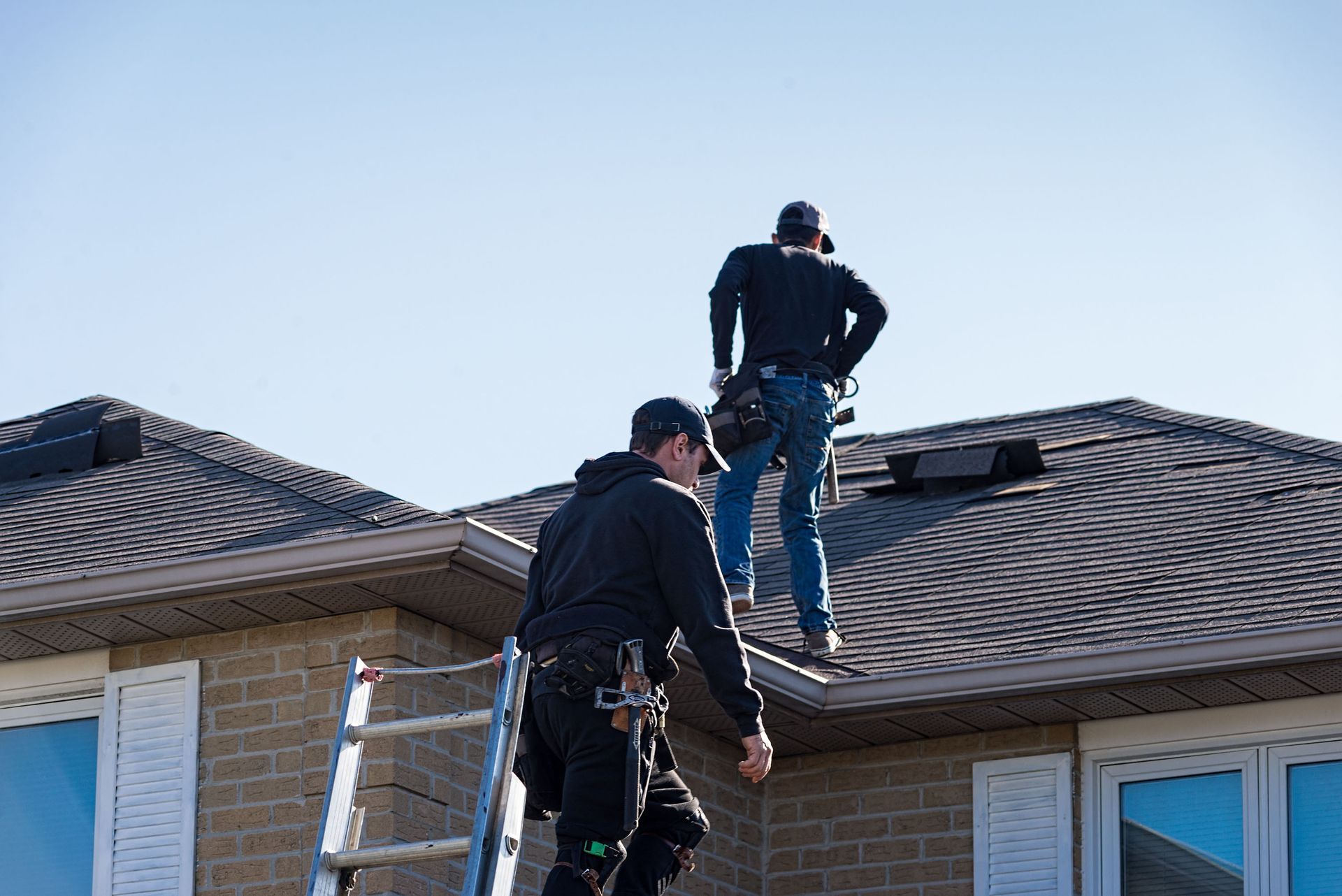
During a roofing inspection, it's important to cover all critical areas where damage might occur. The roof surface itself should be the primary focus, inspecting for missing or damaged shingles, bruises, or granule loss. Pay attention to flashing around chimneys, vents, and skylights to ensure they're intact and watertight. The gutters and downspouts also require examination for dents or blockages that might impede water drainage. Lastly, don't forget to check the attic for any signs of water intrusion or daylight peeking through, which could indicate serious structural issues.
Hiring Professional Roofing Inspectors
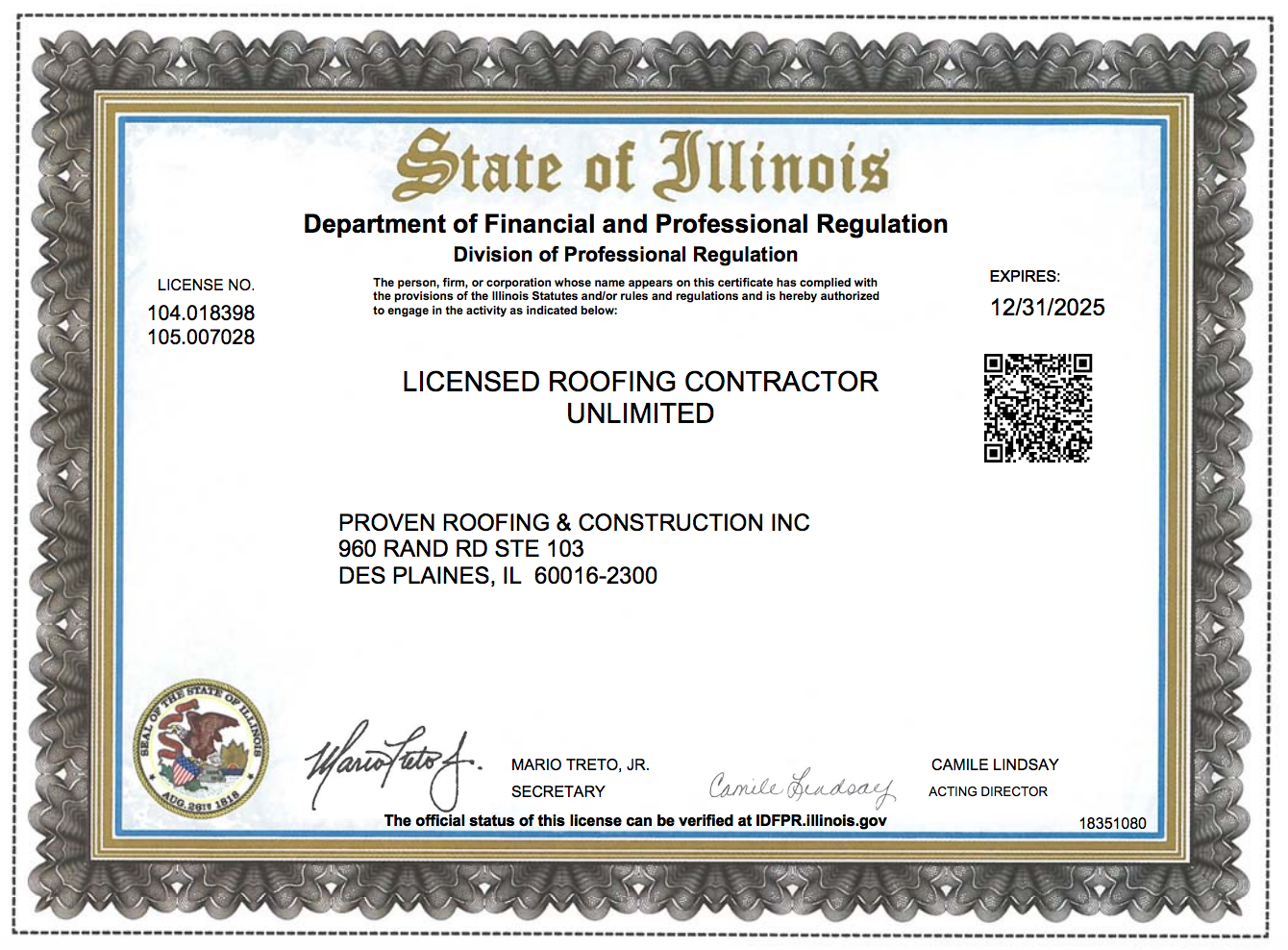
When hiring a professional roofing inspector or roofing company, it's critical to consider several key criteria to ensure a thorough inspection. First, verify that the inspector is licensed and insured, offering additional protection and peace of mind for homeowners. Experience and specialization in hail damage are also crucial to accurately assess and address specific issues. Look for references or reviews from previous clients, as these provide real-world feedback on the inspector's reliability and effectiveness. Additionally, inquire about any certifications or affiliations with professional organizations, which indicate adherence to industry standards and best practices.
While some homeowners may opt for DIY inspections, hiring a qualified roofing company offers advantages that are difficult to match on your own. Professional inspectors have the expertise and experience to identify less obvious damage that could be missed without specialized training. They possess access to industry-standard tools and equipment, improving the accuracy of their assessment. Moreover, having a professional report can hold more weight when filing insurance claims, facilitating claim approval. Ultimately, professional inspections offer comprehensive evaluations that safeguard the integrity and longevity of roofing systems.
To ensure confidence in your chosen inspector, ask pertinent questions related to their services and expertise. Inquire about the length of time they have been in business and their specific experience with hail-related inspections. Ask about the scope of their inspection process, and whether they will provide a detailed written report with photographic evidence. It's also important to ask for a breakdown of any costs involved, including whether they charge a flat fee or an hourly rate. Finally, ask what their assessment will cover, and inquire about recommendations for repair or maintenance if damage is found. For an experienced
roofing company you can rely on, contact Proven Roofing & Construction today.