September 15, 2026
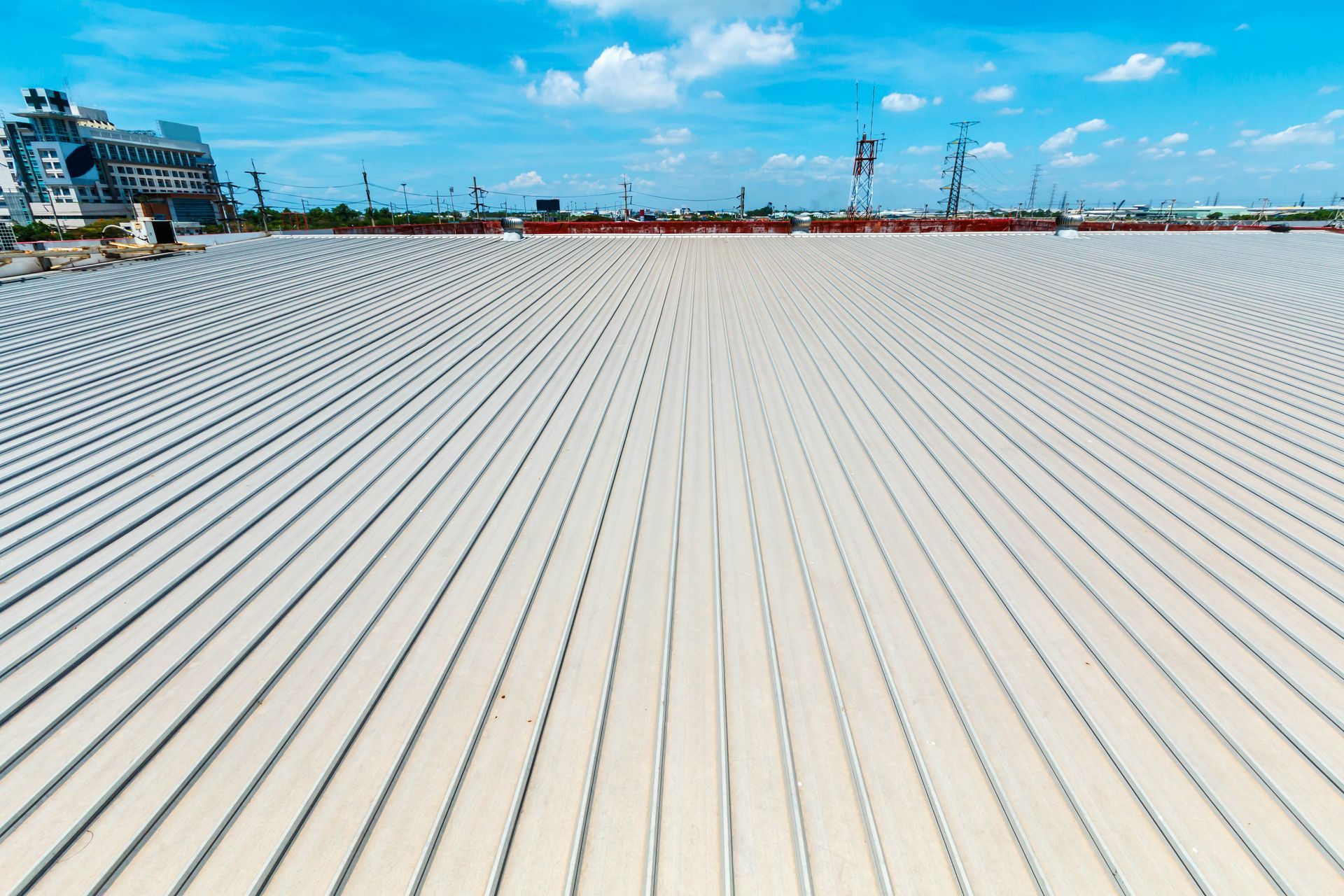
Maintaining a commercial roof is crucial to extending its lifespan and preventing costly repairs. Regular maintenance provided by a commercial roofer not only enhances the performance of the roofing system but also ensures the safety and aesthetic appeal of the building. This comprehensive checklist will guide you through the essential maintenance tasks needed to keep your commercial roof in top condition. By following these steps, you can protect your investment and avoid the pitfalls of neglecting one of the most critical components of a structure.
Routine Roof Inspections
Frequency of Inspections
Regular inspections are the cornerstone of effective roof maintenance. According to GAF, commercial roof systems should be inspected at least two times a year, in the spring and in the fall. These inspections help identify any potential issues that could escalate into costly repairs if left unattended. Beyond semi-annual checks, additional inspections should follow severe weather events, such as storms or high winds, to ensure that no immediate damage has occurred. Routine inspections provide an opportunity to catch small issues early, before they develop into major problems.
Seasonal Adjustments
The changing seasons necessitate specific attention to different aspects of roofing maintenance. In the spring, focus on clearing debris left by winter storms and inspecting for damage caused by snow and ice. During the fall, prepare for potential harsh winter conditions by ensuring all components remain intact and drains are cleared to prevent water accumulation. It's important to adjust maintenance practices according to seasonal weather patterns that could impact the roof's condition.
Hiring Professional Inspectors
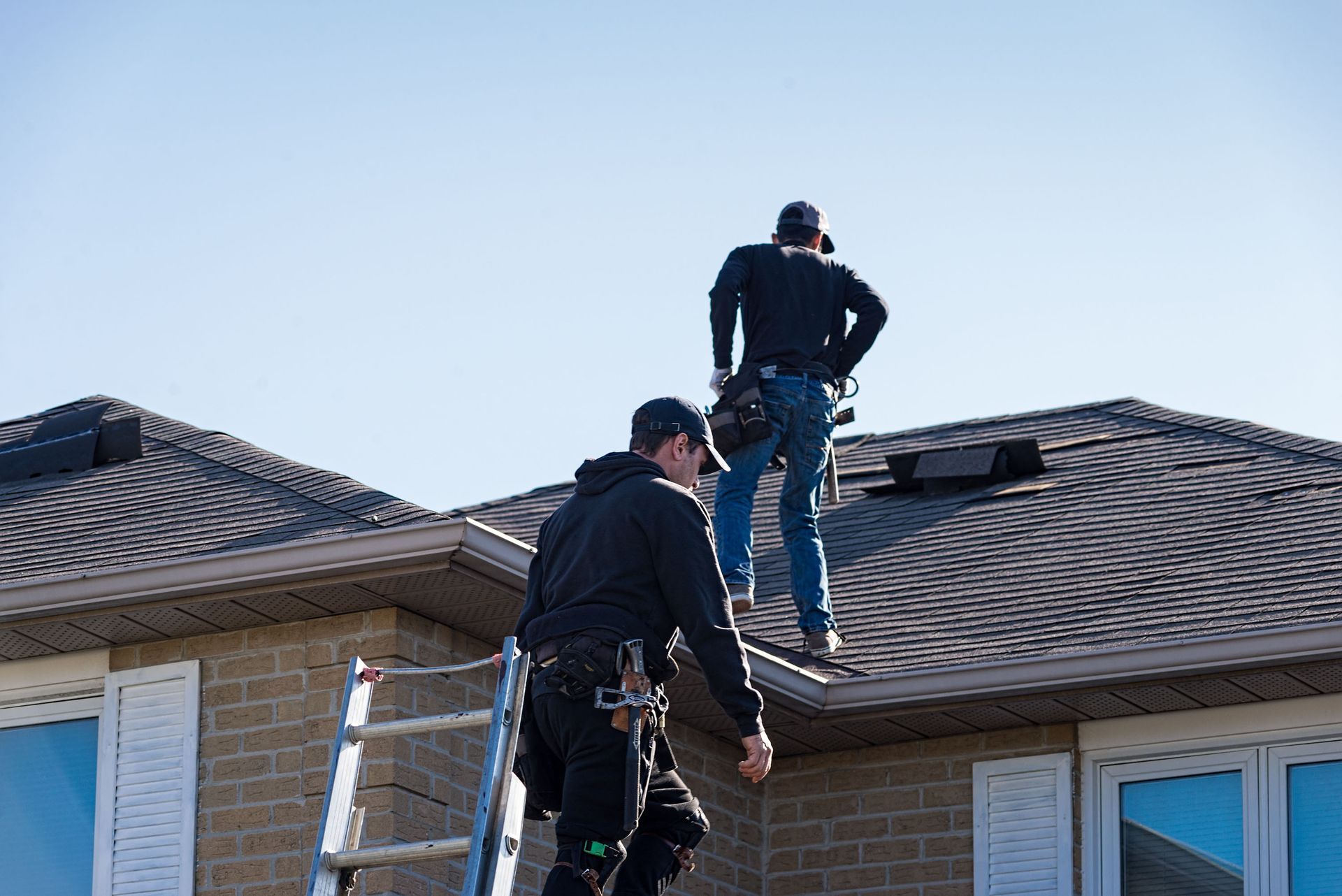
Enlisting the expertise of a professional commercial roofer can greatly enhance your maintenance efforts. Trained professionals possess the knowledge and tools necessary to identify issues that may be overlooked by an untrained eye. They can provide a comprehensive assessment of the roof's health and recommend necessary repairs or preventative measures. Hiring a professional commercial roofer also ensures that inspections are conducted safely and according to industry standards. While it may represent an upfront cost, the expertise and peace of mind offered by professional inspectors can ultimately save money by preventing extensive damage and repairs.
Cleaning and Debris Removal
Importance of Keeping Roofs Clean
Maintaining a clean roof is essential for its longevity and performance. Accumulated debris such as leaves, branches, and dirt can impede proper drainage, leading to water pooling and potential leaks. Debris can also serve as a breeding ground for mold and algae, which can degrade roofing materials over time. Regular cleaning not only prevents these risks but also improves the roof's appearance and overall functionality.
Tools and Equipment Required
Proper cleaning of a commercial roof requires specific tools and equipment to ensure safety and effectiveness. Essential items include a sturdy ladder, safety harness, power washer, and roofing brush. A leaf blower can quickly remove loose debris, while a pressure washer effectively cleans stubborn dirt and stains. Safety gear, such as non-slip shoes and gloves, are crucial to protect workers from falls and injuries. Utilizing the right equipment ensures that the cleaning process is efficient and doesn't damage the roofing materials.
Safe Cleaning Practices
Safety is of paramount importance during any roof cleaning operation. A commercial roofer should adhere to all safety guidelines, including the use of proper personal protective equipment and ensuring safe access to the roof. It's important to avoid standing on wet or slippery surfaces and to work in pairs to monitor safety inconsistencies. Avoiding the use of harsh chemicals that could damage roofing materials is also recommended.
Repair and Replacement of Roof Components
Identifying Damaged Areas
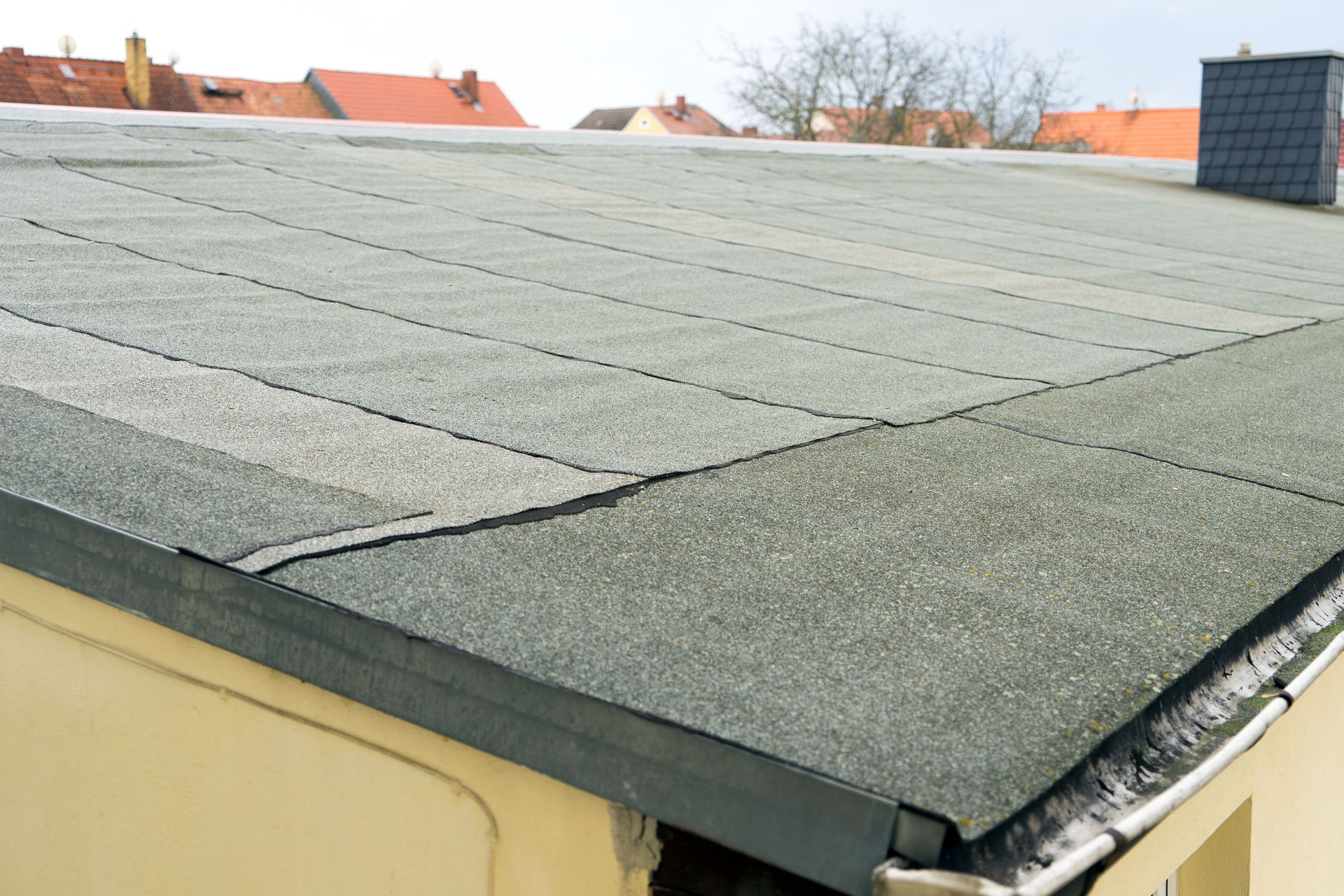
Identifying damaged areas is an important first step in roof component repair and replacement. Pay close attention to signs of damage such as discolored patches, worn-out sections, or buckled shingles. These issues often indicate underlying problems that could compromise the roof's integrity. Early identification enables timely repairs before minor issues escalate into significant structural concerns. Ensuring consistent monitoring and swift corrective action can preserve the roof's functionality and safety.
Selecting Appropriate Materials
Selecting the right materials for repairs is crucial to ensuring compatibility and efficacy. The choice of materials should match or exceed the original specifications and meet the building's projected needs. Consideration of material durability, efficiency, and resistance to local environmental conditions is key. For example, selecting materials with high ultraviolet resistance is beneficial in sunny climates. Proper material selection ensures that repairs not only restore functionality but also prolong the roof's overall lifespan.
Temporary vs. Permanent Repairs
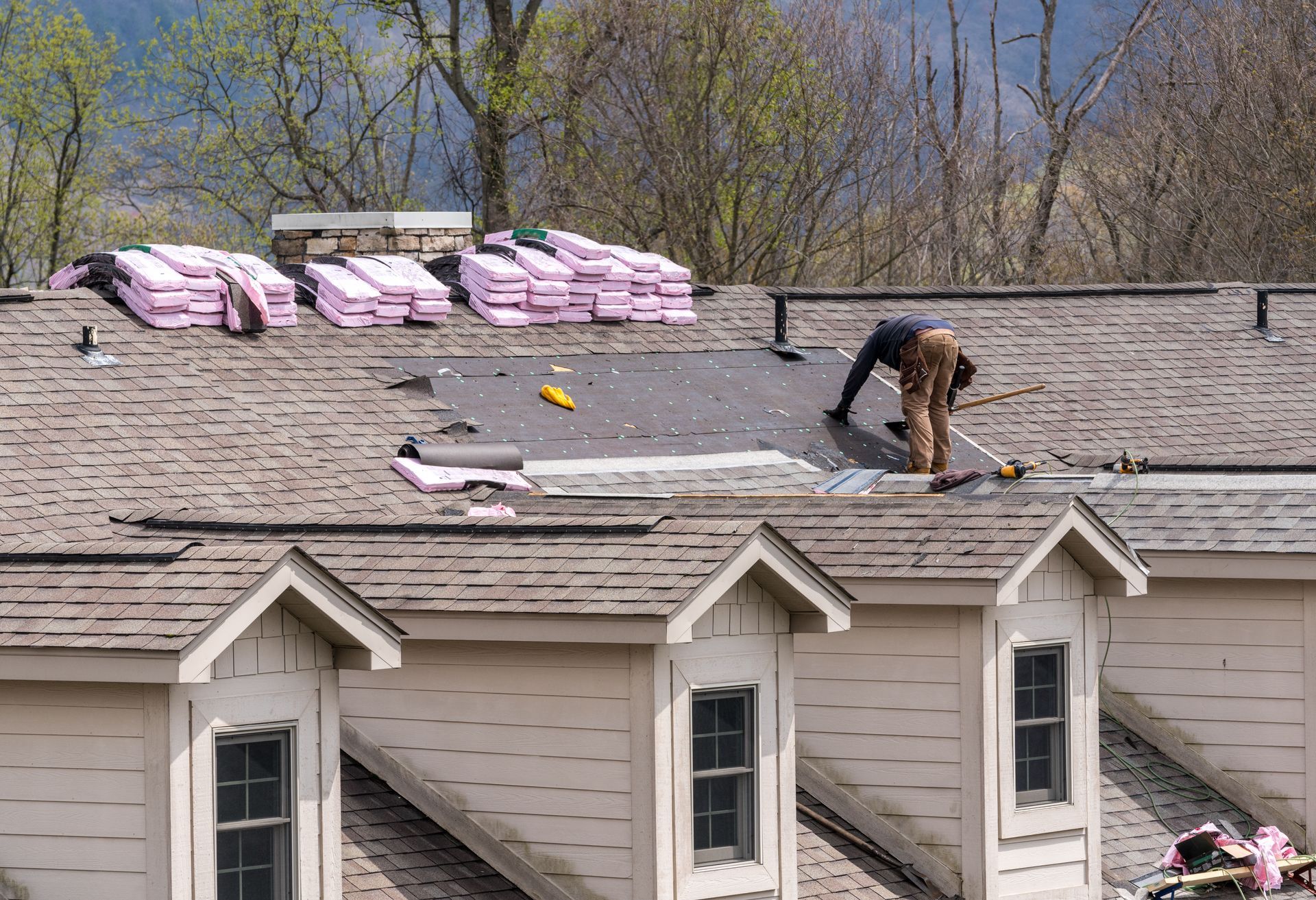
Assessing whether a temporary or permanent repair is appropriate is an important consideration in roof maintenance. Temporary repairs offer a quick fix for urgent problems but may not provide long-term solutions. These are typically used in emergency situations when time or materials for permanent repairs are not immediately available. Alternatively, permanent repairs aim to restore the roof to its original condition or better. Whenever possible, prioritize permanent repairs to ensure stability and avoid repeated maintenance efforts.
Drainage System Maintenance
Inspecting Gutters and Downspouts
Regular inspection of gutters and downspouts is crucial for effective drainage system maintenance. Look for signs of damage, overflow issues, or blockages that could impede water flow and potentially cause roof damage. Ensure that all components are securely attached and effectively directing water away from the roof and building foundation. Regular inspections help catch small issues that could escalate, preventing costly maintenance. A well-maintained drainage system supports the roof's integrity and prolongs its life.
Clearing Blockages and Obstructions
Clearing blockages and obstructions from gutters and downspouts is necessary to maintain proper water flow. Debris such as leaves, twigs, and dirt accumulate over time and can cause water to back up, leading to roof leaks and structural damage. Regular cleaning ensures unobstructed flow and reduces the risk of water-related issues. Additionally, installing gutter guards can minimize debris buildup and maintenance frequency. Keeping drainage systems clear and functional is a fundamental aspect of effective roof maintenance.
Ensuring Proper Water Flow
Ensuring proper water flow involves verifying that all drainage components function efficiently and effectively. Inspect for sagging or disconnected gutters and downspouts that could impact flow and lead to water accumulation. Ensure that water is directed well away from the building's foundation to prevent leaks. Routine examination and maintenance of the entire drainage system prevent unnecessary water damage to the roof and building. Proper water flow management significantly enhances roofing system performance and life expectancy.
Roof Coatings and Sealants
Benefits of Roof Coatings
The application of roof coatings by a commercial roofer offers a multitude of benefits that bolster the roof's performance and longevity. Coatings provide an additional protective layer, enhancing resistance to weather elements such as UV rays and rain. They serve as a crucial waterproofing measure, helping prevent leaks and water damage. Furthermore, coatings can improve energy efficiency by reflecting sunlight and reducing heat absorption. Overall, roof coatings extend the lifespan of the roof and contribute to significant cost savings over time.
Selecting the Right Coating
Choosing the right coating is essential to maximizing its benefits and ensuring compatibility with the existing roofing materials. Consideration of the roof's current condition, environmental exposure, and desired outcomes are crucial in selecting an appropriate coating. Options include silicone, acrylic, and elastomeric coatings, each offering unique benefits such as temperature regulation or enhanced flexibility. A professional assessment can provide guidance on the best coating option based on specific building requirements. Making an informed choice ensures that the coating enhances the roof's protection and function.
Application Best Practices
Adhering to best practices during coating application ensures effective performance and longevity of the protective layer. Surface preparation, including cleaning and repairing damages, is critical to proper adhesion. Careful control over environmental conditions such as temperature and humidity during application influences curing success. Turning to a professional commercial roofer can ensure that coatings are applied evenly and according to manufacturer specifications. Following these steps ensures optimal coating performance, reducing the need for frequent reapplications.
Following a detailed maintenance checklist is the key to extending the life of a commercial roof and safeguarding the building it protects. By adhering to the outlined steps and conducting regular maintenance, you can avoid costly damage and ensure your roof remains functional for years to come. With informed and proactive care by a commercial roofer like Proven Roofing & Construction, your commercial roof can continue to be reliable and long-lasting. Reach out to us today to get started.