October 15, 2026
Shingles are one of the most visible parts of a residential roofing system, but their condition can affect much more than a home's appearance. Damaged shingles can create openings that allow rain, wind, and moisture to reach the layers beneath them. What begins as a small issue may become more complicated when it remains exposed to changing weather conditions. Missing, cracked, curled, or lifted shingles can all indicate that a roof needs closer attention. According to RubyHome, asphalt shingles are the most widely used roofing material, appearing in roughly 80% of roofing projects.
Because shingles are so common, understanding how damage affects the rest of the roof can help homeowners recognize problems earlier. Prompt maintenance can protect the underlying structure and reduce the likelihood of more extensive repairs. Homeowners considering roof replacements should also understand how addressing shingle problems early can influence the overall condition and longevity of their roofing system.
Recognizing Early Shingle Damage
Shingle damage does not always begin with a dramatic roofing failure. Small cracks, missing granules, curled edges, and loose sections can develop gradually over time. Strong winds can lift shingles, while hail and falling branches can create visible or less obvious impact damage. Prolonged exposure to sunlight can also contribute to aging and deterioration. Homeowners may notice granules collecting in gutters or pieces of roofing material around the property after severe weather. These signs should not automatically be dismissed as normal wear because they may indicate that the protective surface is becoming compromised. A professional inspection can determine whether individual shingles need repair or whether broader deterioration is present.
Identifying damage early can help homeowners address problems before they contribute to more extensive roofing concerns.
Preventing Moisture From Entering
Shingles form an important protective layer that helps keep precipitation from reaching the underlying roofing components. When shingles are missing or damaged, water can find pathways into areas that are not designed to remain exposed. Moisture may reach underlayment, decking, insulation, or other structural materials if the problem continues. Water intrusion can be particularly concerning because the effects may not become visible inside the home immediately. Over time, homeowners may notice ceiling stains, damp areas, peeling paint, or other indications of moisture.
Persistent exposure can also contribute to deterioration that extends beyond the original damaged shingle. Addressing compromised areas promptly can help limit the amount of moisture that reaches the underlying structure. Proper maintenance can therefore reduce the chance that a relatively small roofing defect develops into a much larger problem.
Protecting Roofing Underlayment
The underlayment sits beneath the shingles and provides an additional layer of protection against moisture. Although it is designed to help shield the roof deck, it is not intended to remain exposed to weather for extended periods. Damaged shingles can leave the underlayment vulnerable to ultraviolet exposure, wind, and precipitation. If the underlayment becomes compromised, water may have an easier path toward the decking underneath. Professionals can inspect areas where shingle damage has occurred to determine whether the underlying protective layers remain intact. Repairs may involve replacing affected shingles and addressing any additional damage discovered during the inspection. If deterioration is widespread, homeowners may need to consider whether a larger roofing project is appropriate. Timely inspections can help determine the extent of the issue before underlayment problems contribute to more costly roof replacements.
Protecting The Roof Deck
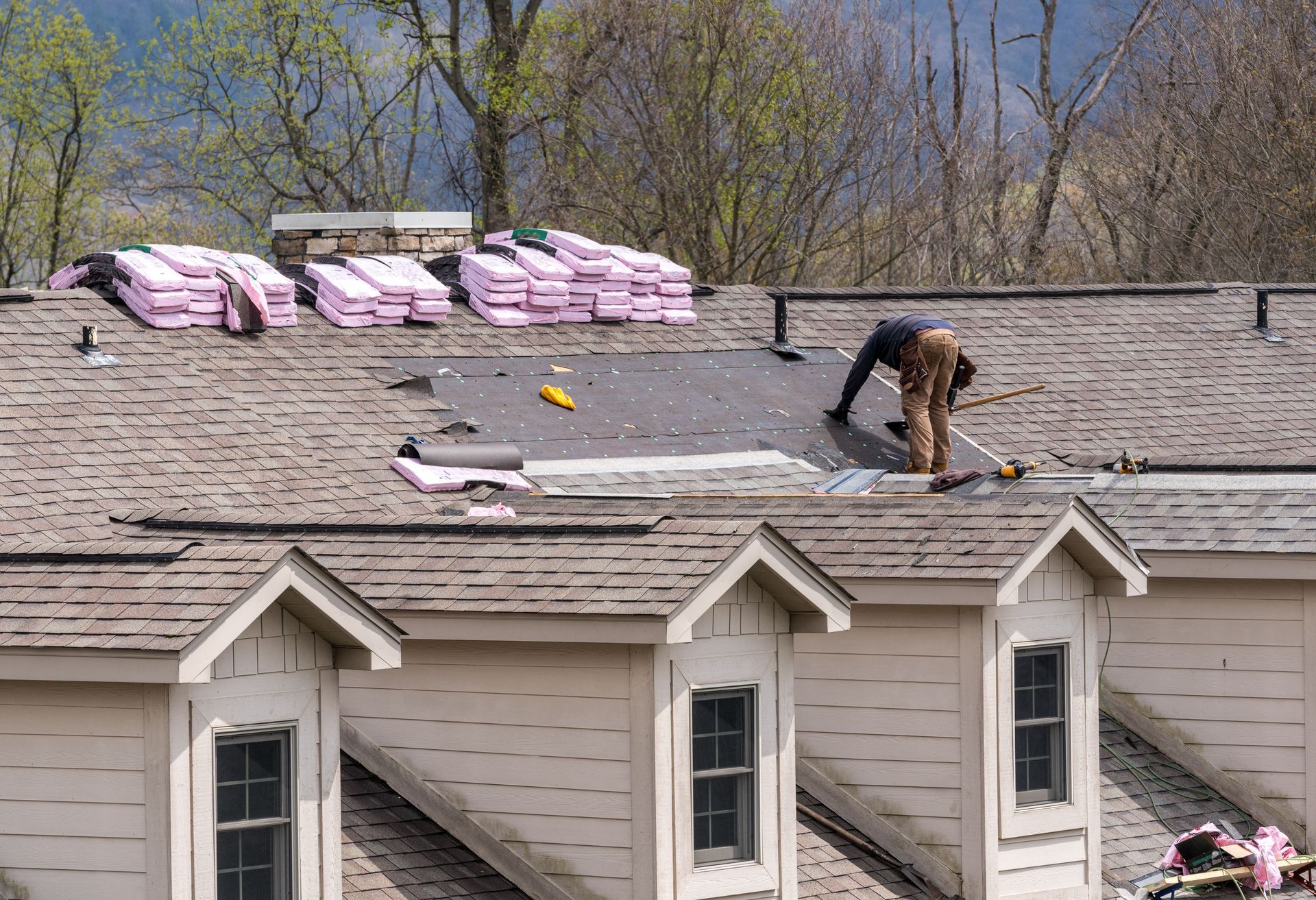
The roof deck provides structural support beneath the shingles and underlayment. Water that passes through damaged roofing materials can eventually reach this important layer. Prolonged moisture exposure may cause wood decking to weaken, warp, stain, or deteriorate. A compromised deck can make the roofing system less stable and may require sections to be replaced during repairs. Homeowners may not recognize decking damage from the ground because much of it remains hidden beneath the visible roofing surface. Professional roof inspections can help identify soft areas, moisture damage, or other indications that the deck needs attention. Repairing damaged decking before installing new roofing materials can help create a stronger foundation for the finished system. Preventing moisture from reaching the deck is therefore an important reason to address shingle damage as soon as it is discovered.
Limiting Interior Water Damage
Roofing problems can eventually affect areas inside the home when water finds a path through multiple protective layers. A small damaged section may allow moisture to enter the attic before it becomes visible in a living area. Over time, water can stain ceilings, damage drywall, affect insulation, and create other interior maintenance concerns. Moisture that remains undetected may also contribute to unpleasant odors or deterioration of surrounding materials. Homeowners should investigate unexplained stains or damp spots rather than assuming they are isolated cosmetic issues. Finding the source can help determine whether the roofing system is allowing water to enter.
Professional repairs can address the exterior problem while also identifying whether interior areas have been affected. Preventing interior damage is another reason homeowners should not postpone attention to visible shingle deterioration.
Reducing Wind And Storm Vulnerabilities
Shingles must withstand wind, rain, hail, and other weather conditions throughout their service life. Once a shingle becomes loose or damaged, surrounding materials may become more vulnerable during the next storm. Wind can lift adjacent shingles or worsen an existing opening, allowing larger areas of the roof to become exposed. Severe weather can therefore turn a localized maintenance issue into widespread roofing damage. Homeowners should inspect their roofs after major storms for missing shingles, exposed areas, damaged flashing, or accumulated debris. A professional evaluation can identify problems that may not be obvious from ground level.
Addressing storm-related damage promptly can help reduce the chance of additional deterioration during subsequent weather events. When extensive damage is present, homeowners may need to evaluate repair options before deciding whether roof replacements are necessary.
Evaluating Aging Roofing Systems
Shingle damage can become more common as a roofing system approaches the end of its expected service life. Older shingles may lose granules, become brittle, curl at the edges, or show other signs of deterioration. Replacing one damaged section may address an immediate problem but may not resolve broader aging throughout the roof.
Homeowners should consider the overall condition of the roofing system when deciding how to respond to recurring damage. The number of damaged areas, previous repairs, material age, and extent of deterioration can all influence the appropriate approach. A professional inspection can help determine whether continued repairs are practical or whether replacement should be considered.
Understanding the condition of the entire roof can also help homeowners plan financially for future work. When an aging system has widespread deterioration, timely roof replacements may provide a more comprehensive solution than repeated isolated repairs.
Scheduling Professional Roof Inspections
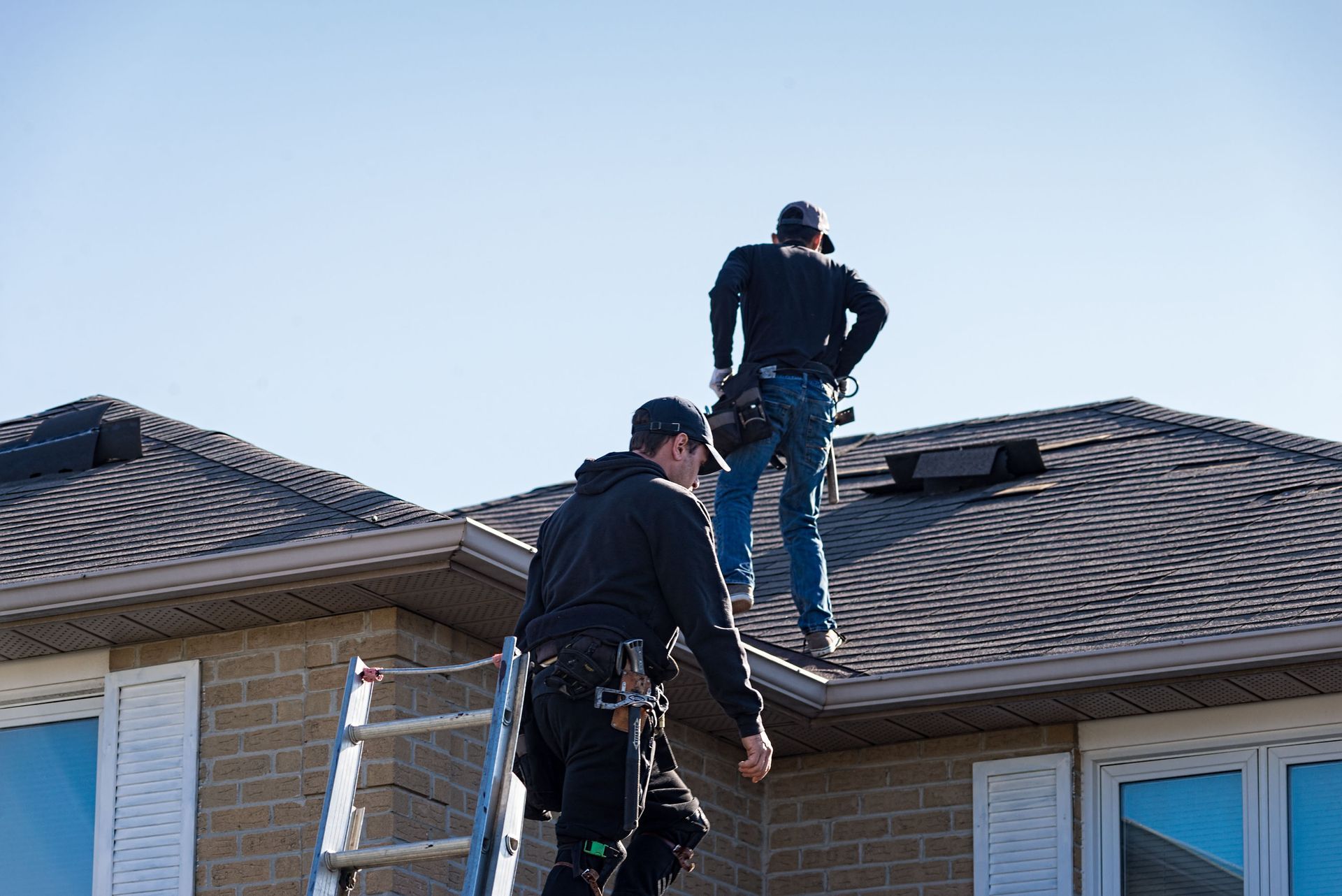
Regular inspections give homeowners an opportunity to identify shingle problems before they develop into larger roofing concerns. A professional can examine visible roofing materials as well as areas that may be difficult to assess safely from the ground. Inspections can be especially useful after severe weather or when homeowners notice signs of possible water intrusion. Professionals can evaluate shingles, flashing, ventilation components, gutters, and other parts of the roofing system during an assessment. They can also distinguish between localized damage and signs of broader deterioration. This information allows homeowners to make decisions based on the actual condition of their roof rather than relying solely on appearance. Early repairs may help preserve a roof that is otherwise in good condition and postpone the need for larger work. When the roofing system is significantly deteriorated, a professional can also explain whether roof replacements would provide a more appropriate long-term solution.
Proven Roofing & Construction can help homeowners identify shingle damage and determine the appropriate approach for maintaining or improving their roofing systems. Contact us to schedule a professional roof assessment and discuss repair or replacement options for your home.