November 13, 2026
A damaged roof does not always mean a homeowner needs to invest in a complete replacement. Depending on the condition of the existing materials, the age of the roof, and the extent of the damage, targeted repairs may provide a practical solution. However, there are situations when continuing to repair an aging roof can become more expensive and less effective than installing a new one. Understanding the differences between these options helps homeowners make informed decisions about protecting their properties. Professional inspections are especially valuable because some roofing problems are difficult to recognize without examining the entire system. Experienced local roofing companies can evaluate visible damage, identify underlying concerns, and explain which approach makes the most sense. Knowing what professionals consider when recommending repairs or replacement can help homeowners plan their next steps with greater confidence.
Evaluate the Age and Overall Condition of the Roof
One of the first things roofing professionals consider is how old the existing roof is. Roofing materials have different expected lifespans, and their condition can change significantly as they experience years of exposure to sunlight, rain, wind, and temperature fluctuations. According to HomeAdvisor, asphalt shingle roofs generally have an expected lifespan of approximately 20 to 25 years. This timeline provides a useful reference when determining whether repairs are likely to remain effective or whether replacement deserves consideration. Local roofing companies also examine the condition of shingles, flashing, ventilation components, and other important parts of the roofing system. A relatively young roof with isolated damage may only require a few targeted repairs. On the other hand, an older roof with widespread deterioration may have several problems that are unlikely to be resolved through individual fixes. Evaluating the roof's age alongside its physical condition helps professionals develop recommendations based on the property's actual needs.
Identify the Extent and Location of Roof Damage
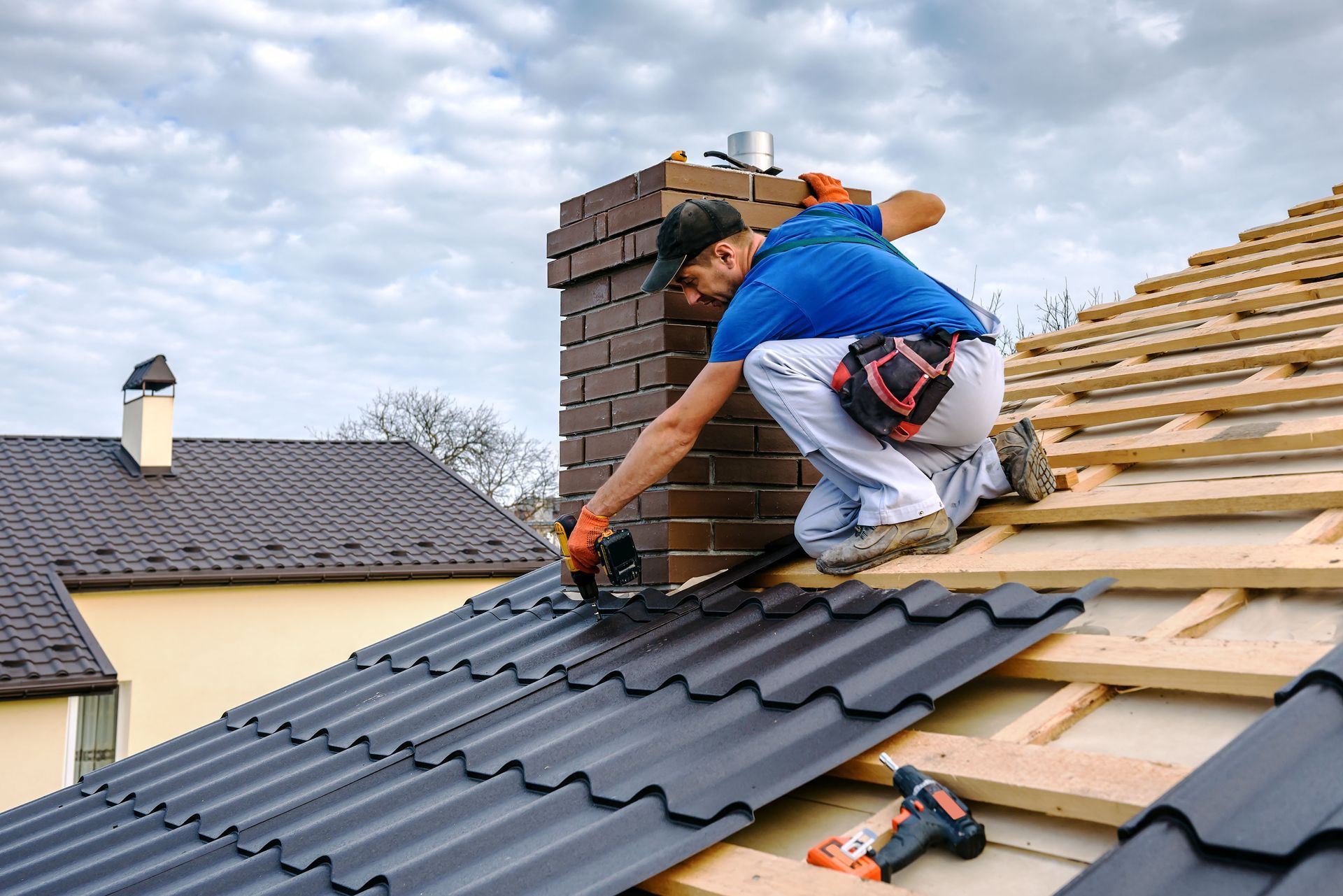
Not all roofing problems affect a structure in the same way. A few missing shingles or a small area of damaged flashing may be manageable without replacing the entire roof. However, widespread deterioration, multiple leaks, or extensive storm damage can indicate more serious concerns. During an inspection, local roofing companies look for visible problems and examine surrounding materials to determine whether the damage extends beyond one location. They may also inspect areas around chimneys, vents, skylights, and roof valleys because these transitions can be vulnerable to water intrusion. If the damage is limited to a specific section, repairing that area may restore the roof's ability to protect the home. When problems appear throughout several sections, replacement may provide a more comprehensive solution. Understanding the location and severity of the damage helps homeowners avoid unnecessary work while addressing issues that could affect the structure.
Consider the Frequency of Previous Repairs
A roof that requires occasional maintenance is not necessarily a cause for concern. However, repeated repairs within a relatively short period may suggest that the roofing system is approaching the end of its useful life. Homeowners should consider how often leaks, loose shingles, flashing problems, and other issues have required professional attention. Local roofing companies can review the roof's repair history and determine whether previous work has addressed individual problems or simply provided temporary relief. When new issues continue appearing in different areas, the underlying materials may be deteriorating more broadly. Repeated service calls can also create additional expenses that homeowners may not have anticipated when choosing individual repairs. A professional assessment helps compare the potential cost of continued maintenance with the investment involved in replacement. This information allows property owners to consider a longer-term solution rather than repeatedly addressing symptoms of a larger roofing problem.
Examine Water Damage and Potential Structural Concerns
Water intrusion is one of the most important issues roofing professionals investigate during an inspection. Even a relatively small leak can affect insulation, ceilings, drywall, and other building materials if it remains unresolved. In more serious situations, prolonged moisture exposure can contribute to wood deterioration and damage to roof decking. Local roofing companies look for signs such as water stains, damp insulation, deteriorating wood, and areas where moisture may have collected. They may also examine the attic to identify problems that are not immediately visible from the exterior. If the moisture damage is limited and the underlying roofing system remains sound, repairs may be sufficient. However, widespread water damage or compromised structural components may require more extensive work alongside a roof replacement. Identifying these concerns early helps homeowners understand the full scope of a roofing problem before deciding which solution is appropriate.
Compare the Cost of Repairs With Replacement
Budget is another important consideration when deciding whether to repair or replace a roof. Although repairs generally involve a smaller initial expense, repeated work can gradually increase the total amount homeowners spend maintaining an aging roofing system. Replacement requires a larger upfront investment but may reduce the need for ongoing repairs when the existing roof has widespread deterioration. Local roofing companies can provide estimates that outline the work involved, materials required, and potential additional expenses. These estimates help homeowners understand what they are paying for and compare the practical benefits of each option. Professionals should also explain whether a repair is expected to address the underlying issue or whether other problems are likely to develop soon. The decision should account for the roof's current condition rather than focusing exclusively on the lowest immediate price. Having a clear understanding of both costs can help homeowners choose an approach that fits their property needs and financial plans.
Review the Roofing Materials and Installation Options
The type of roofing material already installed can influence whether repairs are practical. Some roofing systems allow individual sections or components to be replaced more easily than others. However, matching older materials can sometimes be challenging, particularly when a specific shingle style, color, or product is no longer readily available. Local roofing companies can determine whether compatible materials are available and whether repairs will create a consistent appearance across the roof. If replacement becomes necessary, homeowners can discuss available materials and compare their durability, appearance, maintenance requirements, and costs. Professionals can also explain how different products perform under the property's typical weather conditions. Choosing suitable materials is important because the roof must provide dependable protection while complementing the home's exterior. Reviewing these options before beginning a project helps homeowners understand what to expect from either repair work or a complete installation.
Account for Weather Exposure and Future Roofing Needs
A roof's condition is influenced by more than its age and original installation. Severe storms, strong winds, heavy rainfall, falling branches, and prolonged sun exposure can gradually affect roofing materials. Homeowners who have experienced repeated weather-related damage may need a more comprehensive evaluation to determine whether their existing roof can continue providing reliable protection. Local roofing companies can identify vulnerable areas and recommend improvements based on the property's exposure and current condition. They may also evaluate drainage, ventilation, flashing, and other components that influence overall roofing performance. If the existing materials remain in good condition, targeted repairs and appropriate maintenance may be enough to address immediate concerns. When the roof has extensive weather-related deterioration, replacement may provide an opportunity to address several problems at once. Considering future exposure helps homeowners make decisions that account for both current damage and the roof's long-term performance.
Deciding whether to repair or replace a roof requires careful consideration of its age, condition, materials, and history of previous problems. While minor damage may only require targeted repairs, widespread deterioration or recurring leaks can indicate that a replacement is the more practical investment. A professional inspection helps homeowners understand the differences and avoid making decisions based on visible damage alone. Proven Roofing & Construction can help property owners evaluate their roofing concerns and explore solutions that address their homes' specific needs. Whether you are dealing with a recent leak, storm damage, or an aging roofing system, having knowledgeable professionals assess the situation can make the process easier. Contact us to schedule a roofing evaluation and determine the best next step for protecting your home.